Urban Wellness on a Budget: 7 Free Activities Busy Professionals Can Start Today
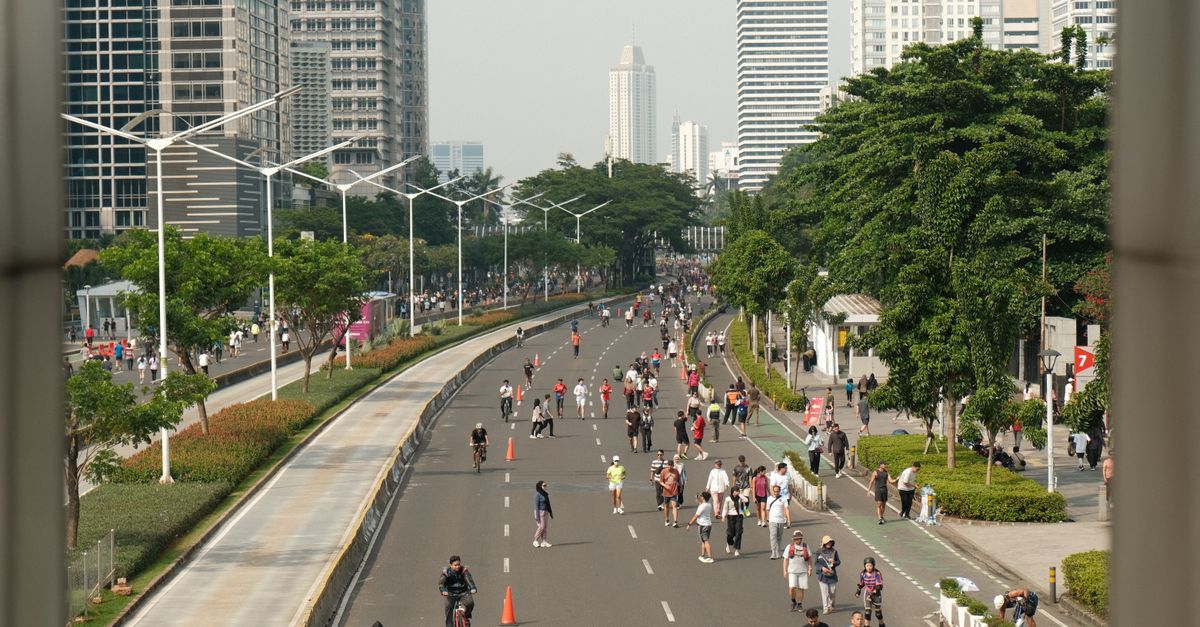
If you’re a busy professional looking to boost your physical and mental health without spending a dime, here are seven free activities you can start right now - anytime, anywhere, and without a costly gym membership.
How Free Activities Boost Wellness
- Easy accessibility keeps you moving even on tight schedules.
- Social interaction reduces stress and builds community.
- Mindful practices enhance focus for work tasks.
- Variety prevents burnout and keeps routines exciting.
- Zero cost makes consistent participation realistic.
When you commit to a free wellness habit, the psychological barrier of cost disappears, allowing your mind to focus on the activity itself. Busy professionals often sacrifice health for work; these low-effort options reintroduce balance without adding financial strain. Curriculum of Calm: 8 Expert-Backed Wellness Le...
1. Walking Tours
Walking is the simplest form of exercise, requiring no equipment or membership fees. City walking tours - available through municipal websites or community groups - offer a guided stroll through historic neighborhoods or waterfront promenades. Imagine a gentle 30-minute walk, shoulders relaxed, discovering hidden murals, local cafés, and architectural gems.
Walking engages the heart, strengthens leg muscles, and boosts endorphin levels. It’s also a social activity; you can join a walking club or simply take a friend. Because you’re on foot, you naturally absorb the city’s ambience, turning a commute into a mini adventure.
To make the most of a walking tour, bring a reusable water bottle, wear supportive shoes, and keep a fitness app on standby to track distance. Even a casual stroll can reset your mind and lower cortisol, preparing you for the next meeting.
2. City Parks and Green Spaces
Urban parks are havens of green, providing a calm counterpoint to concrete and traffic. Free park hours mean you can dip into a green space at any time - morning jogs, midday picnics, or evening meditation sessions.
Research shows that spending even 15 minutes outdoors reduces stress hormones and enhances mood. In parks, you can practice mindful breathing, do bodyweight exercises, or simply sit and read while listening to birds.
Leverage park resources: many parks host free yoga or tai chi classes, community gardening days, and seasonal festivals. By visiting a park regularly, you create a predictable, low-cost routine that nurtures both body and soul.
3. Community Yoga Sessions
Free yoga classes pop up in parks, community centers, or even at the office lobby. These sessions range from beginner to advanced and are often led by certified instructors who adapt poses to all levels.
Yoga blends physical movement with breathwork, calming the nervous system and improving flexibility. A single 45-minute session can lower blood pressure, increase focus, and decrease anxiety - crucial benefits for high-pressure jobs.
To get started, search local community boards or check social media groups for “free yoga near me.” Arrive early to secure a spot, bring a mat if you have one, and treat each class as a pause button for your mind.
4. Free Museum Days
Many museums offer free admission on select days of the month - often the first Tuesday, third Saturday, or other designated free days. These cultural experiences are intellectually stimulating and offer a change of scenery.
Exploring art, history, or science exhibits activates cognitive pathways, sparking creativity and curiosity - essential traits for problem-solving at work. Even a brief museum visit can reset mental fatigue.
Plan ahead: check museum websites for free-entry dates, create a short itinerary, and invite a colleague or friend to turn the outing into a networking opportunity. The zero-cost factor keeps your budget intact while expanding your knowledge.
5. Library Programs
Libraries are treasure troves of free resources beyond books - think workshops, tech help, language classes, and book clubs. These programs cultivate learning, community, and skill-building without any tuition.
Attending a library workshop can sharpen a professional skill: coding basics, resume writing, or digital literacy. Book clubs offer social interaction, discussion, and a chance to hear new perspectives.
Take advantage of library amenities like free Wi-Fi, quiet study areas, and public computers. Many libraries now host free digital courses and author talks, making them a hub for ongoing growth.
6. Volunteer at Local Food Banks
Volunteering for a food bank or community pantry is a powerful way to give back while engaging in light physical activity - sorting, packing, and transporting food requires movement and teamwork.
Social science links volunteerism to improved mental health, reducing depression and anxiety. By helping others, you also build empathy and strengthen community ties - skills that translate well into collaborative work environments.
Start by contacting your local food bank’s volunteer coordinator, choosing a shift that fits your schedule. Bring a reusable tote bag and a positive mindset - volunteering is as much about service as it is about self-care.
7. Local Farmers Markets
Farmers markets offer free entry, fresh produce, and a sense of community. Browsing stalls requires walking, and you can chat with farmers about sustainable practices, which can spark new ideas for eco-friendly initiatives at work.
Even without purchasing items, the experience of connecting with local producers and hearing stories can boost mood and reduce stress. The market’s rhythmic atmosphere provides a meditative backdrop for reflection.
Tip: arrive early to explore a wider selection, and carry a reusable bag for any items you may want later. Use the market as a chance to practice gratitude for the abundance around you.
Common Mistakes
1. Over-scheduling: Adding too many free activities can lead to burnout. Prioritize one or two that fit naturally into your routine.
2. Ignoring rest: Free doesn’t mean unlimited. Rest days are essential for recovery and sustained performance.
3. Skipping planning: Without a schedule, you might miss opportunities. Use a planner or app to keep track of free event dates.
4. Overlooking safety: Some parks or markets can be crowded. Stay aware of your surroundings and choose quieter times if you’re uncomfortable.
5. Missing the social element: Many free activities are social. Don’t hesitate to bring a friend or join a group; social support boosts adherence.
Glossary
Wellness: A holistic state of health that includes physical, mental, and social dimensions.
Mindfulness: The practice of paying deliberate, non-judgmental attention to the present moment.
Community: A group of people sharing common interests or a geographic area who interact socially.
Endorphins: Hormones released during exercise that create feelings of pleasure and pain relief.
Co-ordination: The ability to smoothly integrate movement and decision-making.
Frequently Asked Questions
What if I have limited free time during the week?
Choose activities that fit into short windows - 15-minute walks, quick library sessions, or 30-minute yoga classes are all doable even on tight schedules.
Are there safe walking routes in urban areas?
Many cities offer mapped walking trails, bike lanes